How can airports improve operational efficiency and capacity?
Enhancing passenger flows, asset efficiency, and data-driven decision-making
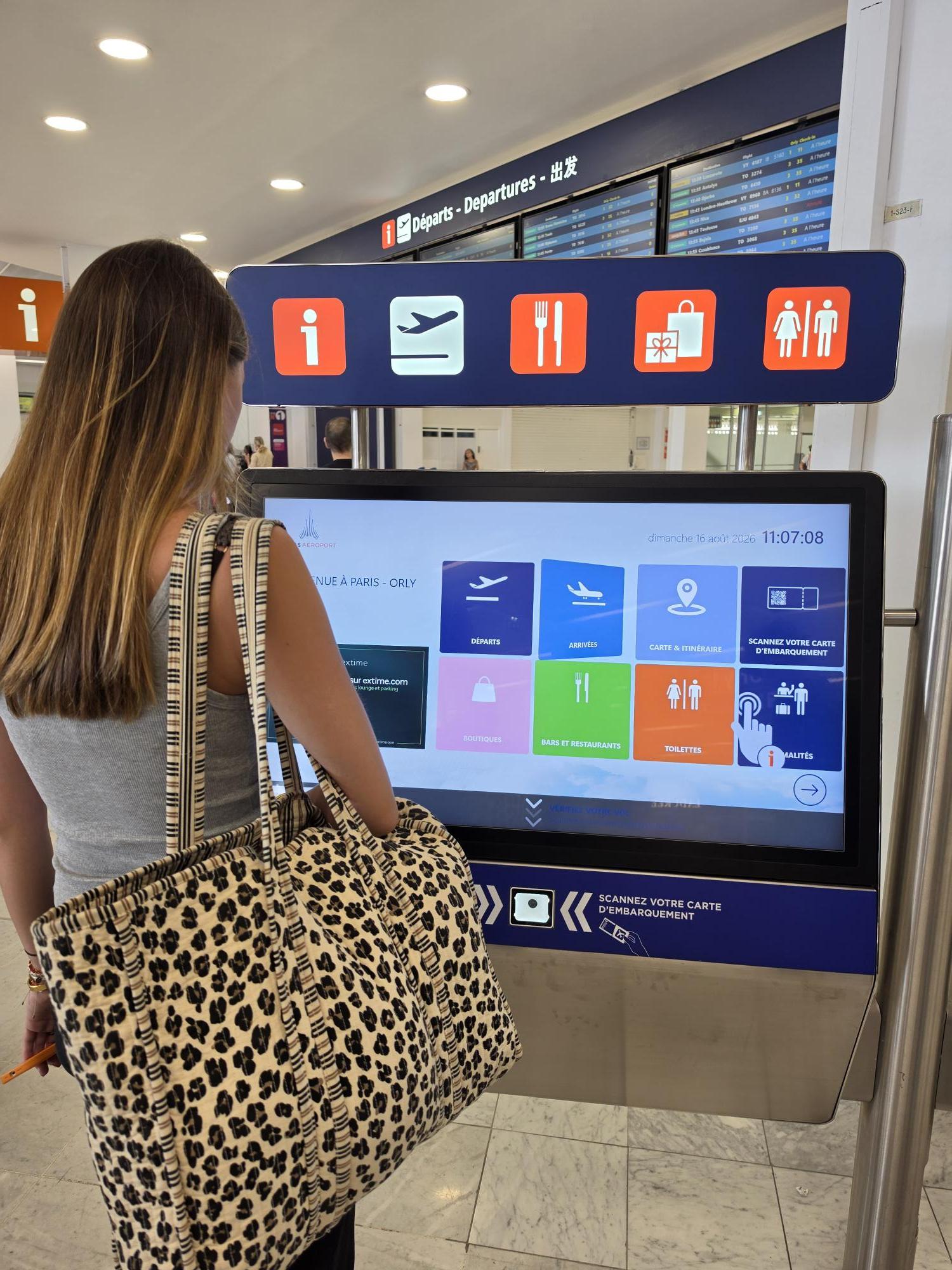
PROAVIA members help airports coordinate operations, increase processing capacity, improve the use of assets and turn operational data into faster, better-informed decisions.
Airport efficiency depends on the performance of an interconnected system. Passenger processing, baggage operations, terminal capacity, airside activities, technical assets and stakeholder coordination all influence the ability of an airport to deliver safe, predictable and cost-effective operations.
PROAVIA members provide airport operators, airlines, ground handlers and authorities with consulting, engineering, equipment and digital solutions that address these operational dependencies. Their expertise ranges from Airport Operations Centres and baggage automation to real-time flow intelligence, time synchronisation, asset diagnostics and performance monitoring.
PROAVIA's members understand that airlines and their passengers share an interest in a cost-efficient airport experience that provides sufficient space to accommodate necessary functions and provides stable passenger flows with acceptable processing and waiting times. That is why they develop smart airport solutions and airport digitalisation strategies to improve operational performance, optimise passenger flows, and enhance infrastructure efficiency.
Efficiency challenges
What exactly are the main airport efficiency challenges?
Airport operations involve many organisations using different systems, processes and performance indicators. Efficiency deteriorates when stakeholders do not share the same operational picture, when bottlenecks are detected too late or when critical assets cannot support peak demand.
What is important for operational performance?
- Creating shared situational awareness across airport stakeholders and reducing operational silos
- Anticipating disruption and coordinating collaborative operational decisions
- Increasing baggage and passenger-processing capacity without interrupting ongoing terminal operations
- Monitoring passenger, vehicle and equipment flows in real time using advanced spatial intelligence
- Improving asset availability, maintainability and technical service life
- Optimising airport space, aircraft stands, gates and core operational resources
- Turning operational data into measurable performance improvements and actionable KPIs
How do PROAVIA members improve airport performance?
Aiport Operation centres and collaborative decision making
PROAVIA members support airports in defining, designing and deploying Airport Operations Centres (APOC). Their work includes on-site diagnosis, stakeholder workshops, KPI definition, operational roadmaps, Airport Operations Plans and platforms that consolidate events, resources and performance information.
Baggage capacity and automation
Members design, integrate and modernise baggage handling systems (BHS), including automated sortation, early bag storage, tracking, reconciliation interfaces and real-time supervision. These solutions help airports absorb traffic peaks while maintaining secure and controlled baggage flows.
Passenger and véhicle-flow intelligence
Passenger-flow simulation, 3D LiDAR and spatial intelligence provide anonymous, real-time information about congestion, dwell times and bottlenecks. Airport teams can use this information to adjust resources, reduce delays and plan future capacity.
Asset performance and operational continuity
Engineering, monitoring and maintenance expertise helps airports assess critical equipment, extend service life where technically justified and plan modernisation without unnecessary replacement or operational disruption.









Frequently Asked Question
What is airport operational efficiency ?
Airport operational efficiency is the ability to use infrastructure, systems, people and data effectively while maintaining safety, service quality and operational continuity.
How can APOC improve airport performance
An APOC gives relevant stakeholders a shared operational picture and a structured environment for coordinating plans, events, resources and disruption responses.